Introduction
Workforce management is no longer just about filling vacancies or maintaining employee records. For most organisations, it has become a core part of business strategy. Leaders are expected to understand not only who is working for them today, but also what skills they will need tomorrow, how productive their teams are, and where future risks may lie.
Making these judgements using spreadsheets, emails, and disconnected systems is increasingly unrealistic. The volume of workforce data has grown, hiring cycles are faster, and expectations around employee experience are higher. HR technology has emerged as a practical response to this reality, giving organisations the tools they need to make workforce decisions that are grounded in accurate data rather than assumptions.
The Shift from Traditional HR to HR Technology
In many organisations, traditional HR processes developed organically over time. Recruitment was handled through email and job boards, employee records were stored across multiple systems, and reporting relied heavily on manual compilation. Common challenges included inconsistent data, limited visibility across teams, and admin overload. As organisations grew, these weaknesses became more costly. Delays in hiring, poor workforce planning, and a lack of reliable insight directly affected business performance.
HR technology began to replace fragmented processes with integrated platforms, unifying recruitment, records, and insights for scalable growth.
HR Techfor Workforce Management
HR tech spans recruitment, onboarding, and analytics, centralising data for proactive planning. Answer: Open pharma roles? Skills gaps in regulatory teams? Early pattern spotting shifts reactive fixes to strategic forecasting.
How HR Tech Enables Smarter Workforce Decisions
Clearer Visibility
Centralised HR systems provide a singleview of employees, candidates, and vacancies. No longer need to pull information from multiple sources, reducing the risk of working with outdated or incomplete data.
Informed Planning
Software allows organisations to review historical trends, to helpsee where hiring demand is increasing, where turnover is highest, and which roles are hardest to fill. Planning based on this information is more reliable than relying on instinct alone.
Consistent Hiring Processes
Digital platforms standardize sourcing, assessments, and progression, reducing bias and ensuring fair hires for compliance-sensitive positions.
Practical Performance Insight
When performance data is captured within HR systems, managers gain a clearer picture of how individuals and teams are performing over time. These insights support development planning, succession decisions, and resource allocation.
Reduced Administrative Burden
Automate interview slots, candidate updates, document flows—freeing HR for strategic work like skills gap modelling.
The Role of Data, Automation, and Analytics in HR Decisions
Data consistency across the employee lifecycle—from application to exits—fuels smarter HR decisions. Automation standardizes workflows like auto-notifications for interview clashes, minimizing errors. Analytics then reveals insights: High turnover in manufacturing? Long cycles for clinical trial recruiters? Top channels for validated talent?
In 2026, predictive tools forecast skills like digital compliance experts, aligning workforce strategy with business goals. Pharma firms gain faster hiring and better retention through these capabilities.
How Recruit Plus Supports Smarter Workforce Management
Recruit Plus, developed by Topia Pharma Intelligence, is an AI-driven ATS tailored for life sciences. It centralizes candidate profiles, application history, and hiring pipelines—track progress from CV submission to offer acceptance with full visibility for recruiters and managers.
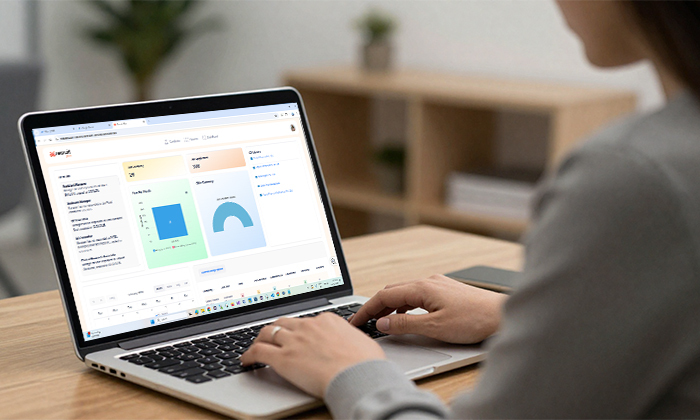
Key pharma features: Automate communications, interview scheduling, and onboarding checklists (e.g., GMP training verification). Built-in compliance audit trails support MHRA/GDPR for regulated hires. The analytics dashboard shows time-to-hire, pipeline bottlenecks, and source effectiveness—vital for evaluating channels yielding biotech specialists.
Perfect for distributed pharma teams scaling compliant recruitment without manual overload.
Who Benefits Most from HR Tech-Driven Workforce Management
- Smaller Businesses: Gain enterprise-grade tools without large HR overhead.
- Growing Organisations: Standardize as hiring volumes spike in Europe/APAC.
- Large Enterprises: Model complex, multi-site workforces with global compliance.
- HR/Recruitment Teams: Shift from admin to analysis, planning, and improvement.
Conclusion: From Operational HR to Strategic Workforce Planning
HR technology has become essential for organisations that want to manage their workforce effectively in a complex business environment. Centralized data, automated processes, and accessible analytics allow HR teams to make accurate and timely decisions aligned with organizational priorities. Digital recruitment platforms, applicant tracking systems, recruitment analytics software, and workforce management solutions are no longer optional tools. They are foundational systems that enable HR to operate as a strategic function rather than a purely administrative one.
Contact Us Now to Transform Your hiring for your pharma team.